Top Signs Your Alloy Wheels Need Repair And How to Fix Them
November 18, 2025
Top Signs Your Car Needs Professional Bodywork Repair in Nottingham
March 18, 2026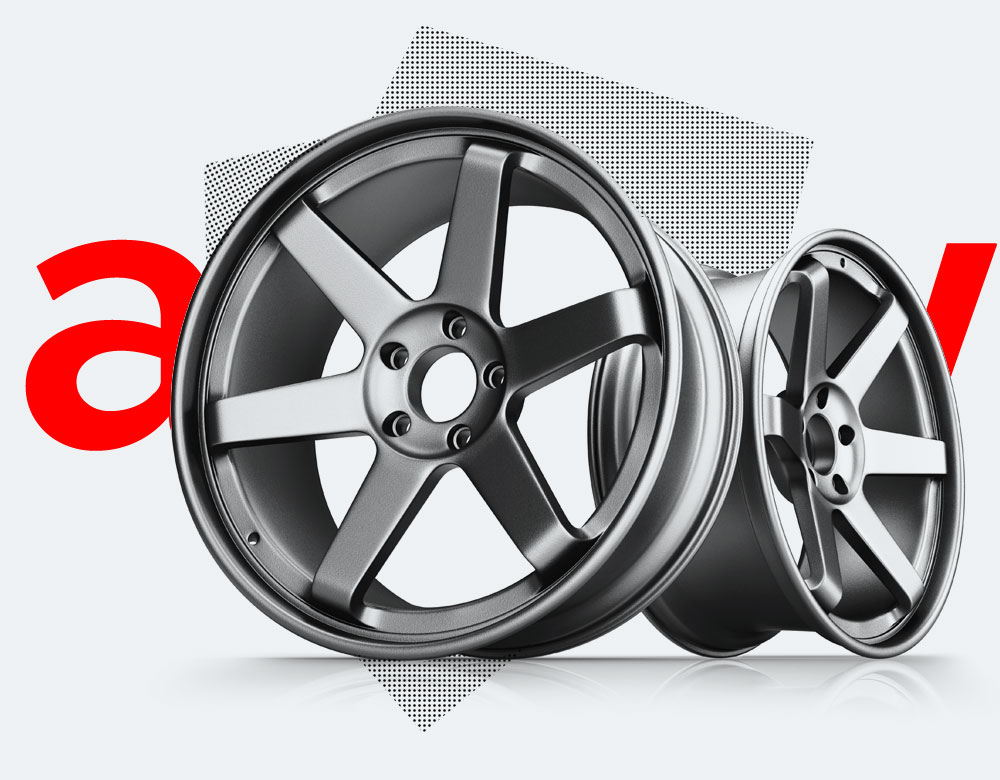
Alloy wheels are a key element of any vehicle, contributing not only to appearance but also to performance, ride quality, and safety. When damage occurs, whether from kerb scuffs, minor dents, or general wear, many drivers face a common question. Should they invest in brand new wheels, or is refurbishment a reliable and cost-effective alternative?
This article explores the differences between refurbished and new wheels, helping UK drivers make an informed choice.
What are Refurbished Wheels?
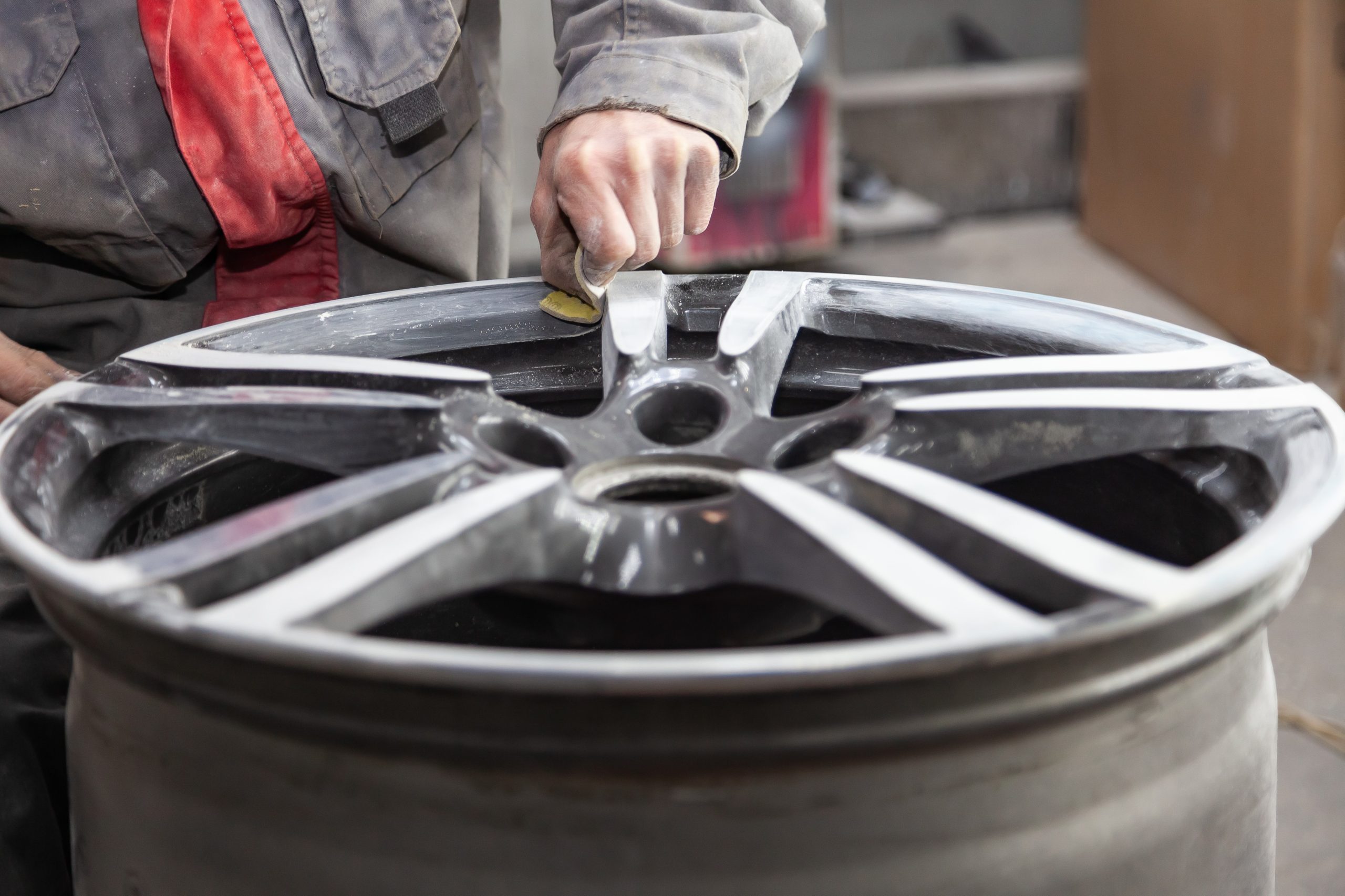 Refurbished wheels are existing wheels that have undergone professional restoration to repair damage and restore their appearance and functionality. The process involves a thorough inspection to identify scuffs, scratches, corrosion, or minor bends. Technicians then repair structural imperfections, smooth out surfaces, and apply protective coatings or paints to restore the wheel to a condition as close as possible to its original state.
Modern refurbishment techniques allow for finishes that replicate factory standards, including polished or textured surfaces. Professional refurbishment addresses both cosmetic issues and minor structural concerns, making it an effective solution for many UK vehicles.
What are Brand New Wheels?
Brand new wheels are supplied directly by manufacturers or reputable aftermarket providers and have never been used or damaged. They offer a flawless finish and come with a manufacturer warranty, providing peace of mind. For drivers seeking maximum longevity or perfect appearance, new wheels are often the preferred option.
In the UK, the price of a new alloy wheel varies depending on size, brand, and finish. Standard options may start around £150 per wheel, while premium or specialised designs can exceed £500. For a complete set of four, the cost can quickly exceed £1,000.
Key Differences Between Refurbished and New Wheels
Understanding the differences between refurbished and brand new alloy wheels helps UK drivers choose the best option for their car. Factors like cost, appearance, durability, and environmental impact play a key role in making the right decision.
| Key Difference | Refurbished Wheels | Brand New Wheels |
| Cost | More affordable, typically £60–£130 per wheel in the UK. Refurbishing all four wheels can save hundreds compared to buying new. | More expensive, starting around £150 per wheel and rising for premium or OEM designs. |
| Appearance & Finish | High-quality refurbishment can closely match the original look. Minor imperfections may remain but are barely noticeable. | Flawless factory finish with no prior wear or damage. |
| Durability | Can last many years if repaired properly and maintained. | Longest lifespan, free from any previous damage. |
| Environmental Impact | Eco-friendly, reduces waste and raw material use. | Higher environmental footprint due to new materials and manufacturing. |
Refurbished vs Brand New Wheels: How to Decide Which is Right for You
Choosing between refurbished and brand new wheels depends on the condition of your wheels, your vehicle type, and your future plans. Understanding when refurbishment is sufficient and when new wheels are necessary can save money, maintain safety, and ensure your car looks its best.
When Refurbishment Makes Sense
Refurbishment is ideal for wheels that have minor cosmetic damage and for drivers seeking a cost-effective solution. It restores appearance and functionality without the expense of replacement.
- Best for superficial scratches, scuffs, and kerb marks.
- Provides an affordable alternative to buying new wheels.
- Maintains safety and appearance when done by professionals.
- Suitable for vehicles not intended for long-term ownership.
- Can restore wheels to a near-factory finish with expert polishing and coating.
When Brand New Wheels are the Better Choice
Brand new wheels are recommended when damage is severe or safety is compromised. They are also ideal for high-performance vehicles or when a uniform set of wheels is required.
- Necessary for deep cracks, severe bends, or structural damage.
- Ensures precise balance and factory-quality finish for high-performance or luxury vehicles.
- Guarantees long-term durability and reduces the risk of future repair issues.
- Preferred when a matching set is needed for consistent appearance.
- Maintains or enhances resale value for vehicles where presentation matters.
Tips for a Successful Wheel Refurbishment
Choosing the right refurbishment service ensures quality results and peace of mind.
Engage a Reputable Specialist
Select a technician or service with verified experience and a solid reputation in the UK. Ensure they offer warranties on both workmanship and finish.
Understand the Finishing Options
Different finishing techniques are available, such as powder coatings, which offer a durable protective layer, and polished finishes, which replicate the original factory look.
Inspect Before and After
Check repaired wheels for symmetry, smoothness, and coating quality. Proper inspection ensures that repairs have restored both appearance and safety.
Maintain Your Wheels
Even refurbished wheels require regular cleaning and maintenance. Avoid harsh chemicals and abrasive tools to prolong the life of the finish.
Why ScuffDoc is the Smart Choice
Choosing the right service for your alloy wheels can make a big difference in appearance, safety, and long-term value. ScuffDoc stands out as the smart choice for UK drivers because we combine expertise, convenience, and high-quality results.
- Professional Expertise: Our technicians are highly trained in both wheel refurbishment and replacement, ensuring every wheel is restored or installed to exacting standards.
- Cost-Effective Solutions: We provide affordable refurbishment options that save money without compromising safety or finish, alongside competitive pricing for brand new wheels.
- Convenience: ScuffDoc offers both mobile and workshop services, allowing us to repair or replace your wheels at a location that suits you.
- Quality Finishes: Whether refurbishing or installing new wheels, we use advanced techniques and coatings to achieve a like-new appearance that lasts.
- Customer-Focused Service: We guide you through every step, from assessment to aftercare advice, ensuring confidence in your investment.
Final Words
Both refurbished and brand new wheels have advantages. Refurbishment provides a cost-effective, high-quality solution for most UK drivers, restoring appearance and performance without the expense of replacement. New wheels offer maximum longevity and flawless factory finish, which may be necessary for vehicles with severe damage or high performance requirements.
By understanding the differences and working with reputable professionals, drivers can make decisions that protect their vehicles, budgets, and long-term satisfaction. Professional advice and assessment are recommended for any damaged wheels, ensuring the best solution for your circumstances.
Frequently Asked Questions
1. Can all damaged wheels be refurbished?
Not all wheels are suitable for refurbishment. Minor scratches, scuffs, kerb damage, and small bends can usually be repaired. However, wheels with deep cracks, significant structural damage, or severe warping may require full replacement to ensure safety. Professional assessment is essential before deciding.
2. How long does a professional wheel refurbishment last?
With proper repair and high-quality finishing, refurbished wheels can last for many years under normal UK driving conditions. Regular maintenance, such as gentle cleaning and avoiding harsh chemicals, can further extend their lifespan.
3. Is there a noticeable difference between refurbished and brand new wheels?
High-quality refurbishment can restore wheels to near-factory condition, making differences difficult to spot. Brand new wheels provide a flawless, factory finish, but modern refurbishment techniques often deliver a comparable aesthetic at a fraction of the cost.
4. Will wheel refurbishment affect vehicle safety?
When performed by trained technicians using professional tools and materials, refurbishment does not compromise safety. Repairs address both cosmetic and minor structural issues, ensuring wheels remain roadworthy and reliable.
5. How much can I save by choosing refurbishment over new wheels in the UK?
Refurbishment typically costs between £60 and £130 per wheel, depending on size, finish, and damage severity. In comparison, new wheels start from £150 per wheel and can exceed £500 for premium models. Refurbishing a full set of four wheels can save several hundred pounds while restoring appearance and function.