A cracked alloy wheel can be more than just a cosmetic issue; it can affect your vehicle’s safety, handling, and performance. Whether you’ve hit a pothole or kerbed your wheel, discovering a crack often leaves drivers asking one important question: Should I repair my cracked alloy wheel or replace it?
The answer depends on several factors, including the size, location, and severity of the damage. In this guide, we’ll explain when a cracked alloy wheel can be safely repaired, when replacement is the better option, and how ScuffDoc provides professional cracked alloy wheel repairs across Nottingham.
How Do Alloy Wheels Crack?
Modern alloy wheels are strong but not indestructible. They can crack after experiencing significant impacts or repeated stress.
Common causes include:
- Potholes
- Speed bumps taken at speed
- Kerbing
- Poor road surfaces
- Previous wheel damage
- Low tyre pressure
The UK’s road conditions make cracked alloy wheels surprisingly common, particularly during winter months when potholes become more frequent.
Can a Cracked Alloy Wheel Be Repaired?
In many cases, yes.
Professional alloy wheel welding can restore the structural integrity of a cracked wheel, provided the damage meets safety standards.
A repair is usually suitable when:
- The crack is relatively small.
- It is located on the inner barrel of the wheel.
- There are no multiple cracks.
- The wheel isn’t heavily distorted.
- The repair can be completed safely using approved welding techniques.
At ScuffDoc, every cracked wheel is thoroughly inspected before any repair is carried out to ensure it meets strict safety requirements.
When Should You Replace a Cracked Alloy Wheel?
Not every wheel can or should be repaired.
Replacement is generally recommended if:
- The crack is too large.
- Multiple cracks are present.
- The crack extends through the spokes.
- The wheel has severe buckling or distortion.
- Previous repairs have already weakened the wheel.
- The structural integrity cannot be safely restored.
In these situations, replacing the wheel is the safest long-term solution.
Is Driving on a Cracked Alloy Wheel Safe?
The simple answer is no.
Even a small crack can worsen over time.
Driving on a damaged alloy wheel can lead to:
- Slow tyre pressure loss
- Reduced handling
- Steering vibration
- Increased tyre wear
- Risk of sudden tyre deflation
- Complete wheel failure in severe cases
If you suspect a crack, it’s best to have it inspected as soon as possible.
How Are Cracked Alloy Wheels Repaired?
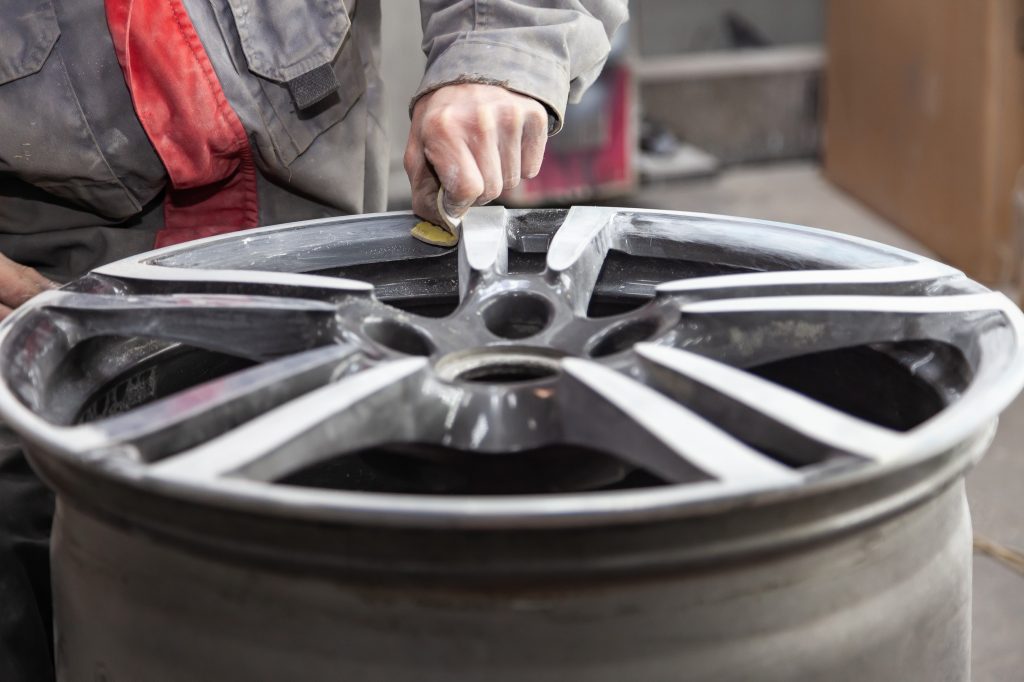
Professional cracked alloy wheel repair involves far more than simply welding the crack.
The typical process includes:
- Thorough inspection.
- Crack assessment.
- Tyre removal.
- Specialist TIG welding.
- Grinding and finishing.
- Pressure testing.
- Balancing before refitting.
Every repair is designed to restore both strength and safety while maintaining the wheel’s performance.
Repair vs Replacement: Which Costs Less?
Repairing a cracked alloy wheel is often significantly more affordable than replacing it.
Repair may be the better option when:
- The damage is repairable.
- The wheel is expensive or difficult to replace.
- You want to retain matching wheels.
- The repair meets all safety standards.
Replacement may be more cost-effective if extensive damage makes repair uneconomical.
A professional inspection is always the best way to determine the most suitable option.
How to Prevent Alloy Wheel Cracks
While not all damage is avoidable, you can reduce the risk by:
- Avoiding potholes where possible.
- Keeping tyres correctly inflated.
- Driving carefully over speed bumps.
- Avoiding heavy kerb impacts.
- Having wheels checked after significant impacts.
- Repairing buckled wheels before cracks develop.
Regular inspections can help catch problems early.
Why Choose ScuffDoc?
ScuffDoc provides professional alloy wheel repairs throughout Nottingham with a focus on quality, safety, and convenience.
Our experienced technicians:
- Assess every wheel individually.
- Only repair wheels that meet safety standards.
- Use professional welding equipment.
- Restore wheel performance and appearance.
- Offer honest advice when replacement is the safer option.
Whether your alloy wheel can be repaired or needs replacing, we’ll recommend the safest solution for your vehicle.
For more information, visit our Cracked Alloy Wheel Repair and Alloy Wheel Repair & Refurbishment service pages.
Conclusion
A cracked alloy wheel doesn’t automatically mean you need a replacement. Many cracks can be professionally repaired, restoring the wheel safely and saving money. However, severe damage should never be ignored, and replacement is sometimes the only safe option.
If you’ve noticed a crack or suspect wheel damage, don’t take unnecessary risks.
Contact ScuffDoc today to arrange a professional cracked alloy wheel inspection and repair service in Nottingham.