Discovering a dent in your car can be frustrating, particularly when the damage appears small. Whether it was caused by a supermarket trolley, another vehicle door or a minor parking incident, you may wonder whether you can repair it yourself.
Numerous online videos recommend plungers, boiling water, suction tools and inexpensive repair kits. Although some methods may improve a very shallow dent, attempting a repair without understanding the panel, paintwork and underlying damage can make the problem worse.
This guide explains when DIY car dent repair might be possible, the risks involved and when arranging a professional assessment is the more sensible option.
It may be possible to improve certain shallow dents at home, but success depends on several factors:
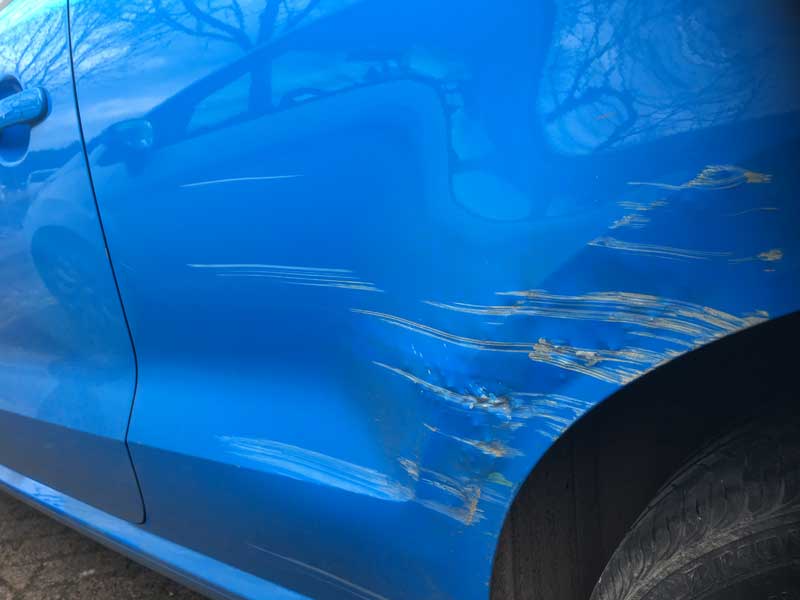
A small, rounded dent on an accessible panel may be easier to address than damage positioned along a bodyline or panel edge. Creased dents, cracked paint and collision damage normally require professional attention.
What appears to be a simple dent can also involve distorted metal, damaged paint or broken fittings behind the panel. A proper inspection should therefore come before any repair attempt.
Several DIY methods are frequently recommended online. However, results vary considerably, and none guarantees a safe or invisible repair.
Suction pullers attach to the panel and apply outward pressure. They may improve a broad, shallow dent on a relatively flat surface.
These tools are less effective on creases, panel edges and small, deep dents. Pulling with excessive force could create high spots or further distort the metal.
Glue-pulling kits use adhesive tabs attached to the damaged area. A pulling tool then applies controlled outward pressure.
Professional technicians use specialist versions of these tools, but the process requires experience. Incorrect tab placement or excessive pulling can distort the panel. Unsuitable adhesive could also affect already weakened paintwork.
Some guides recommend using a household plunger to pull a shallow dent outward. Although this may occasionally move flexible panels, a household plunger does not provide the precision required for controlled dent repair.
It may fail to move the dent, pull it unevenly or cause surrounding areas to flex.
Hot water is sometimes suggested for dents in plastic bumper covers because heat can make certain plastics more flexible. However, excessively hot water may cause burns and could affect the paint or surrounding components.
Heating a painted metal panel with a hairdryer or another heat source also carries risks. Uneven or excessive heat can damage the vehicle’s finish and should not be treated as a reliable repair method.
Retail dent repair kits normally include pulling tabs, glue, a bridge puller or basic tapping tools. They can appear straightforward, but achieving a smooth result requires patience, controlled pressure and an understanding of how automotive panels respond.
A kit may improve a minor dent, but it can also create raised areas that become more difficult for a professional to correct later.
Modern vehicle panels are shaped with precise curves, edges and bodylines. Restoring them involves more than simply pulling the lowest point outward.
Applying too much force can stretch the metal or create a raised spot. Once this happens, returning the panel to its original shape may require more extensive work.
The paint may already be under stress around the dent. Pulling, heating or pressing the panel could cause the finish to crack, chip or separate from the surface.
Once the paint is broken, moisture can reach the metal underneath and increase the possibility of corrosion.
A dent can appear improved when viewed directly but remain noticeable under natural light or from another angle. Professionals use specialist lighting and reflection systems to identify subtle distortions across the panel.
Door panels and other body sections can contain wiring, sensors, reinforcement bars and safety components. Removing trim or applying pressure without knowing what lies behind the panel could cause additional damage.
Technicians may need to correct problems caused by an unsuccessful DIY attempt before repairing the original dent. Glue residue, cracked paint, high spots and stretched metal can make the work more complicated.
You might consider a cautious DIY approach when:
Stop immediately if the paint begins to change, crack or lift, or if the panel is not responding predictably. Repeated pulling and pushing may make the damage harder to correct.
Arrange a professional assessment when:
Damage involving bumpers, lights, parking sensors or structural areas should also be inspected professionally. Cosmetic appearance should not take priority over vehicle safety.
Paintless dent removal, commonly called PDR, is a specialist technique used to reshape suitable dents without sanding, filling or repainting the panel.
A technician carefully accesses the damaged area and uses specialist tools to apply controlled pressure. Glue-pulling equipment may be used when access behind the panel is restricted. Lighting and reflection boards help the technician monitor the panel’s surface throughout the repair.
PDR is generally most suitable when the original paint remains intact and the metal has not been severely stretched. It may work particularly well for:
Not every dent qualifies for PDR. A professional must examine the damage before confirming the appropriate technique.
The condition of the paint usually helps determine the repair method.
Paintless dent removal may be suitable when the paint is undamaged and the panel can be reshaped successfully. If the area is deeply scratched, cracked or chipped, a painted repair may be necessary.
Painted bodywork repair can involve reshaping the panel, preparing the surface, matching the vehicle’s colour and applying a new finish. ScuffDoc also provides mobile car body repairs in Nottingham for damage that requires more than paintless dent removal.
A dent with intact paint may remain mainly cosmetic. Nevertheless, the damage should be checked because fine paint cracks are not always immediately visible.
Where paint has chipped or cracked, the exposed surface can become vulnerable to moisture and corrosion. Damage can also affect resale value and make an otherwise well-maintained vehicle appear neglected.
Prompt assessment provides clarity about whether the dent requires immediate treatment or is safe to monitor.
Dent repair prices depend on:
Photographs can help a repairer provide an initial estimate, although a closer inspection may be required before the final price is confirmed. ScuffDoc’s car dent repair service in Nottingham offers mobile repairs from £50, subject to the damage and repair requirements.
Clear photographs can help the technician understand the damage before attending. For a useful initial assessment:
Avoid photographing only the centre of the dent. Wider images help show its position in relation to panel edges, handles, bodylines and surrounding components.
If you are uncertain whether a dent is suitable for DIY treatment, obtaining professional advice can prevent unnecessary damage.
ScuffDoc provides mobile dent assessment and repair throughout Nottingham. Where appropriate, suitable dents can be repaired at your home or workplace without taking the vehicle to a traditional bodyshop.
The recommended approach will depend on the shape of the dent, its location and whether the paint remains intact. If PDR is unsuitable, ScuffDoc can explain whether another type of car bodywork repair is needed.
DIY car dent repair may look inexpensive, but an unsuitable method can damage the paintwork, distort the panel and increase the eventual repair cost.
Before using heat, glue or pulling equipment, ask an experienced technician to assess the damage. ScuffDoc can determine whether paintless dent removal or a painted repair offers the most appropriate solution.
Contact ScuffDoc with clear photographs of your vehicle to request a quotation for professional dent repair in Nottingham.
Some very shallow dents may respond to a suitable suction tool, but results are unpredictable. DIY work can damage paint or distort the panel, so obtain professional advice when the finish or repairability is uncertain.
A plunger may move a broad, shallow dent on a flexible surface, but it provides limited control. It is unlikely to repair creases, bodyline damage or deep dents and may leave the panel uneven.
Very hot water and uncontrolled temperature changes may affect paintwork, plastics or nearby components. They can also cause personal injury. Professional assessment is safer than relying on online heat-based dent-removal methods.
Paintless dent removal generally suits small or moderate dents where the original paint remains intact and the metal is not severely stretched. Dent depth, accessibility, location and proximity to bodylines also influence suitability.
A properly repaired dent should not simply return under normal conditions. However, the panel can be damaged again by a new impact. Repair quality depends on selecting an appropriate method and completing it correctly.
Repairing visible dents may improve presentation and make the car more appealing to prospective buyers. Whether it is financially worthwhile depends on the repair cost, vehicle value and overall condition of the bodywork.
Send clear photographs showing the complete panel, close views of the dent and images taken from different angles. Include your vehicle details and location so ScuffDoc can assess the damage and provide initial guidance.